AI Productivity Tools

Spydr Memory MCP

Spydr Memory MCP: A multimodal, interoperable context engine that unifies AI client memory—bridging text, vision, audio & more.

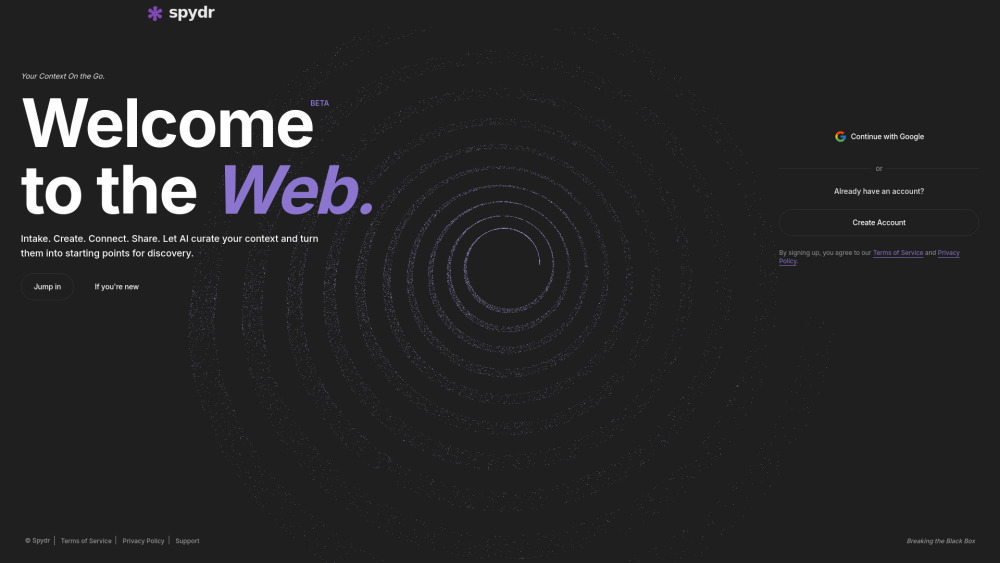
Spydr Memory MCP website preview

Spydr Memory MCP Website screenshot

Introducing Spydr Memory MCP: The Context Backbone for AI

Spydr Memory MCP redefines how AI systems understand, retain, and act on context — not as static data, but as living, cross-platform intelligence. As the world’s first truly multimodal and interoperable AI context engine, it unifies fragmented knowledge across documents, conversations, code, media, and tools into a dynamic, queryable memory layer — accessible by any AI client, anywhere.

Getting Started with Spydr Memory MCP

Begin your context journey in four intuitive steps: Collect inputs from diverse sources (text, audio transcripts, images, notes), Compose meaning-rich context graphs, Correlate insights across modalities and platforms, and Convey enriched context to AI agents or workflows. Sign up today via Google or email — experience the BETA release and start building context-aware AI interactions now.

Core Capabilities of Spydr Memory MCP

Multimodal context ingestion & representation

Cross-application context portability (no vendor lock-in)

AI-driven contextual synthesis and pattern inference

Real-time, on-device + cloud-synced context mobility

Standards-aligned interoperability (MCP-compliant, extensible APIs)

Where Spydr Memory MCP Makes an Impact

Empowering developers to build context-resident AI agents that remember user intent across sessions and tools.

Enabling knowledge workers to unify research, meeting notes, dashboards, and creative assets into a single, navigable memory space.

Accelerating discovery by surfacing latent connections between disparate data types — from Slack threads to PDFs to spreadsheet cells.

Future-proofing AI integrations with a vendor-agnostic context layer that evolves alongside your stack.

Product source: Spydr Memory MCP official website. Check the provider for current plans, limits and availability.

FAQ

Spydr Memory MCP questions and answers

Product context and practical checks for evaluating Spydr Memory MCP.

What is Spydr Memory MCP used for?

Spydr Memory MCP: A multimodal, interoperable context engine that unifies AI client memory—bridging text, vision, audio & more.

How do I get started with Spydr Memory MCP?

Begin your context journey in four intuitive steps: Collect inputs from diverse sources (text, audio transcripts, images, notes), Compose meaning-rich context graphs, Correlate insights across modalities and platforms, and Convey enriched context to AI agents or workflows. Sign up today via Google or email — experience the BETA release and start building context-aware AI interactions now.

Which capabilities are described for Spydr Memory MCP?

Multimodal context ingestion & representationCross-application context portability (no vendor lock-in)AI-driven contextual synthesis and pattern inferenceReal-time, on-device + cloud-synced context mobilityStandards-aligned interoperability (MCP-compliant, extensible APIs)

What should I compare before choosing a Spydr Memory MCP plan?

Check Spydr Memory MCP’s current pricing page for included usage, renewal terms and any credit charges. Compare the cost of a usable result, including retries, rather than assuming that account registration includes free usage.

What inputs should I prepare for a Spydr Memory MCP trial?

Compare support for source documents, style instructions, outlines and length limits. Check whether citations link to real material rather than merely looking like references.

How can I check the quality of a Spydr Memory MCP result?

Verify names, dates, quotations and factual claims against the original sources. Edit tone, remove repetition and make sure the text answers the intended reader’s question.

Which export options should I check in Spydr Memory MCP?

Check export to plain text, Markdown, documents or your publishing system. Formatting, headings and working links matter when moving a draft into production.

What is a practical way to test Spydr Memory MCP against alternatives?

Use a real brief and a short source document. Compare factual accuracy, structure and editing time rather than accepting the longest or most confident draft.

What should I review before uploading material to Spydr Memory MCP?

Read the provider’s rules on access, retention, deletion and use of uploaded material. Start with a non-confidential sample that you have permission to use.

Where is the official Spydr Memory MCP website?

The website linked from this profile is https://spydr.dev. Use the provider’s own documentation, account area and support channels to confirm current product details.

Visit Spydr Memory MCP